Messi, Mbappé and the Great Underdog Resistance: Day 6 of the World Cup Was Pure Football Comedy
Messi scored a hat trick at 38, Haaland treated Iraq like a personal training session, France survived a scare, and Austria discovered that no World Cup match is ever as easy as it looks on paper.
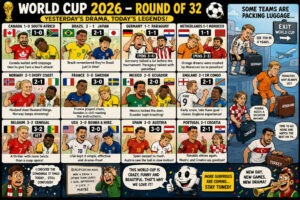
The 2026 FIFA World Cup delivered another day of football chaos, history, and mild emotional damage for fans around the globe. Four matches, twelve goals, one Messi masterpiece, and enough unexpected drama to remind everyone why predicting football is slightly less reliable than predicting the weather.
Let’s start with the obvious headline. Lionel Messi is apparently refusing to age.
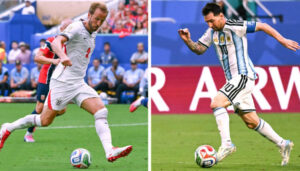
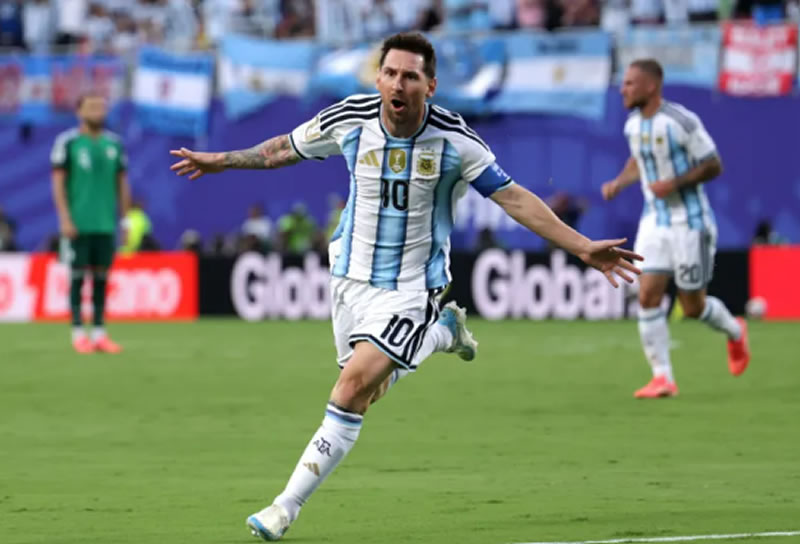
At 38 years old, while many former stars are busy opening restaurants, launching podcasts, or explaining football on television, Messi decided to score the first World Cup hat trick of his legendary career in Argentina’s 3-0 victory over Algeria. Not only did he score all three goals, but he also tied Miroslav Klose’s all-time World Cup scoring record with 16 goals and became the first player ever to appear in six World Cups. Twenty years after making his World Cup debut, he is still collecting records like a tourist collecting postcards.
The funny thing about Messi is that football keeps preparing farewell tours for him. Every year somebody writes an article called “The End Is Near.” Every year Messi responds by embarrassing another national team. At this point, retirement seems less like a plan and more like a rumor. Algeria defended bravely, but Messi spent the evening reminding the football world that genius has a habit of ignoring calendars.
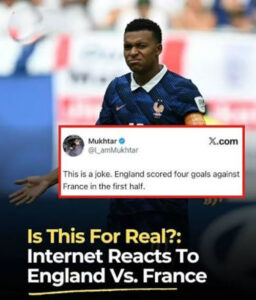
Not to be outdone, Kylian Mbappé and France opened their campaign with a 3-1 victory over Senegal. The score suggests comfort. The match itself suggested something closer to controlled panic. Senegal caused problems throughout much of the game before France’s superior talent finally took over. Mbappé scored twice, Bradley Barcola added another, and suddenly the French looked exactly like what they are supposed to look like: terrifying. For long stretches, however, Senegal made the favorites sweat enough to test the air conditioning system.
Then there was Norway’s 4-1 win over Iraq, a match that served as another reminder that Erling Haaland remains one of football’s most efficient goal-scoring machines. Haaland scored twice as Norway controlled most of the evening. Iraq briefly threatened to make things interesting after equalizing, but Norway quickly restored order. Watching Haaland in full stride feels a bit unfair. He doesn’t run so much as arrive. Defenders spend ninety minutes trying to solve a puzzle that keeps changing shape.
Austria’s 3-1 victory over Jordan completed the day’s action and followed a familiar World Cup script. The favorite expected a straightforward evening. Jordan had other ideas. For a while, Austria looked uncomfortable, Jordan looked confident, and nervous Austrian supporters began imagining worst-case scenarios. Eventually, quality prevailed, but not before Jordan delivered another reminder that smaller nations are no longer arriving merely to participate. They are arriving to annoy people. Quite effectively, too.
Perhaps that is the real story of this World Cup so far. The favorites are winning, but nobody is making life easy for them. Every match seems to contain a period where supporters of major football nations suddenly start calculating goal difference, checking group tables, and questioning all of their life choices. The underdogs may not always leave with victories, but they are making the giants earn every minute. Somewhere, a tournament organizer is smiling because drama sells far better than predictability.
Of course, no World Cup would be complete without referees becoming accidental celebrities. Every fan base has already identified at least three terrible decisions. Argentina fans think Messi should have had more protection. Senegal supporters wanted more calls. Iraq fans wanted fewer. Neutral observers mostly wanted the VAR reviews to move slightly faster than continental drift. The referees continue their impossible mission of making millions of people unhappy simultaneously, a skill that deserves recognition in its own way.
And then there are the commercials. The modern World Cup contains enough sponsorships to finance a small moon landing. The match statistics are sponsored. The substitutions are sponsored. The replay is sponsored. At this rate, Messi’s next goal may be followed by a message informing viewers that his left foot is proudly presented by an international banking partner. Football remains the world’s game, but it increasingly arrives with a logo attached.
Still, days like this remind us why the World Cup remains special. Messi writes history. Mbappé hunts records. Haaland scores goals. Underdogs refuse to behave like underdogs. Fans celebrate, panic, celebrate again, and then spend the evening arguing online.
The giants won today.
The underdogs fought.
The referees survived.
Messi made history.
And somewhere, football fans are already preparing themselves for tomorrow’s emotional roller coaster.
The World Cup, thankfully, remains undefeated.